
Understanding micro-credential recognition in hospitality today
The MCEU Hospitality project has published a new report presenting the results of its second large-scale survey on the recognition of micro-credentials in the European hospitality sector. The report explores how micro-credentials are currently understood, valued, and recognized across different parts of the sector. The analysis is based on responses from more than 3,800 hospitality professionals across Europe and is complemented by interviews with industry representatives and policymakers at both national and European level. Together, these perspectives provide a comprehensive picture of current practices and perceptions related to skills recognition.
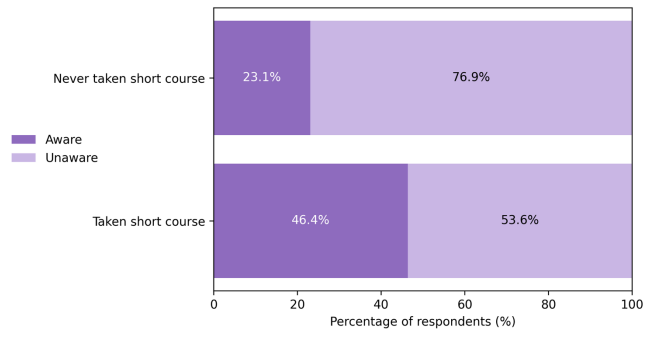
The figure illustrates that while engagement in short-course learning is high across the sector, awareness of micro-credentials as a distinct concept varies significantly.
What the findings tell us
The findings confirm that short, skills-focused learning plays an increasingly important role in hospitality. Many professionals actively engage in short courses to update their skills in response to changing demands related to sustainability, digitalization, and daily operations.
At the same time, the report shows that micro-credentials are not yet consistently understood or recognized across the sector. Recognition depends on several interrelated factors, with trust in the issuing organisation, clarity of learning outcomes, and transparent quality assurance mechanisms emerging as particularly important conditions.
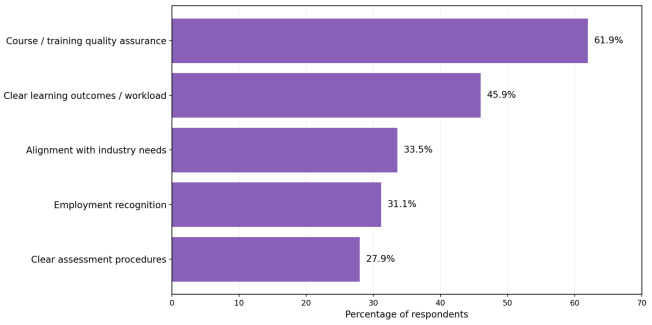
The figure highlights how respondents associate micro-credentials with increased credibility, skills relevance, and improved recognition, while also pointing to areas where perceived value remains unclear.
Why this matters for the MCEU project and the sector
The analysis also highlights differences in how micro-credentials are interpreted and applied in practice by industry actors and policymakers. These differences underline the need for clearer shared frameworks and language when working with micro-credentials across stakeholder groups.
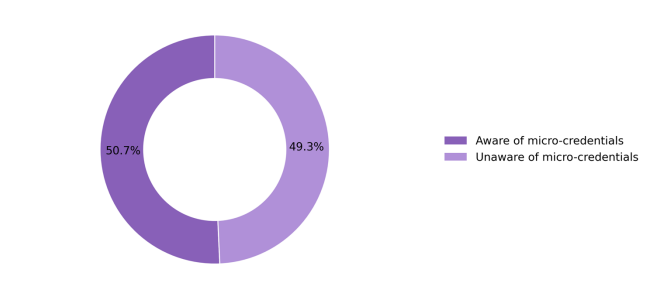
The figure shows varying levels of awareness among those responsible for recruitment and skills recognition, reinforcing the importance of trust, transparency, and communication.
These insights provide an important evidence base for the ongoing work of the MCEU Hospitality project. They help inform how micro-credentials can be designed, communicated, and implemented in ways that strengthen their relevance, transparency, and recognition across borders and stakeholder groups. The findings will directly support future project activities, including the refinement of learning pathways and continued work on micro-credential implementation models within the hospitality sector.
For a deeper dive into the analysis and full dataset, the complete report is available via the link below.
👉 Report on the recognition of Micro-credential by the industry and policy-makers